

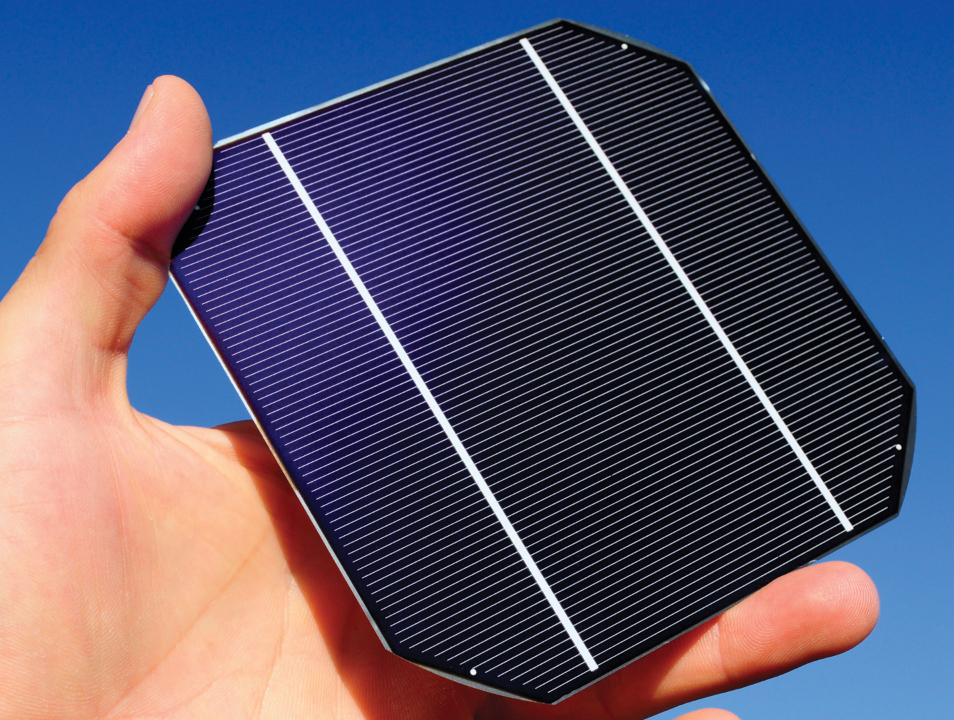
Organic solar cells have a photoactive layer made of polymers and small molecules. The cells are very thin, can be flexible, and are easy to make. However, the efficiency of these cells is still far below traditional silicon-based ones. Applied physicists have now produced an organic solar cell with an efficiency of over 17 percent, which is in the upper range for such materials. It has the advantage of using an unconventional device structure manufactured using a scalable technique.
Applied physicists from the University of Groningen have now produced an organic solar cell with an efficiency of over 17 percent, which is in the upper range for such materials. It has the advantage of using an unconventional device structure manufactured using a scalable technique. The design includes a conductive tin oxide layer grown by atomic layer deposition. Scientists also have several ideas to further improve the cell’s efficiency and stability. The results were reported March 31 in the journal Advanced Materials.


